
Loading ...

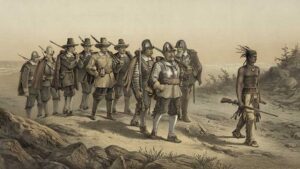
Forget everything you think you know about the Pilgrims. Those iconic buckle hats? Total Hollywood fiction. The peaceful harvest dinner with friendly natives? Way more complicated than your grade school history book let on. And those blunderbusses everyone associates with colonial America? Most of them weren’t even invented yet!
The real story of America’s first Thanksgiving is way cooler, and way more heavily armed, than the sanitized version we grew up with. So grab your favorite beverage and let’s dive into what actually went down in 1621, because the truth involves a lot more gunpowder than you’d expect.
Here’s the thing that’ll blow your mind: the early colonists were absolutely loaded with firearms. We’re not talking about a few rusty muskets gathering dust in the corner. These folks came prepared for war.
At Jamestown, Captain John Smith documented an impressive military arsenal by 1609, 24 cannons and 300 muskets for a settlement that barely had enough people to operate them all. Meanwhile, the Pilgrims who landed at Plymouth Rock weren’t exactly traveling light either. At least 22 guns came over on the Mayflower alone, and that’s just what we can document.
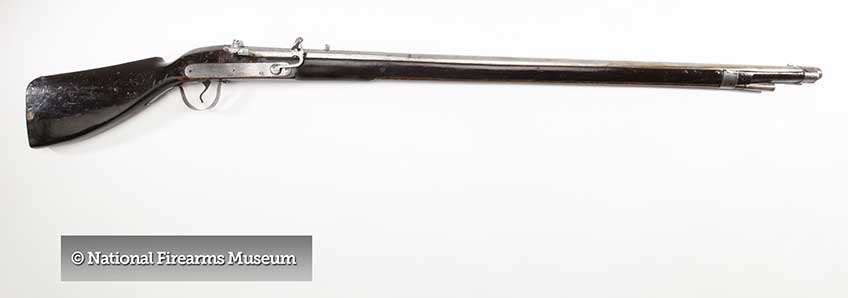
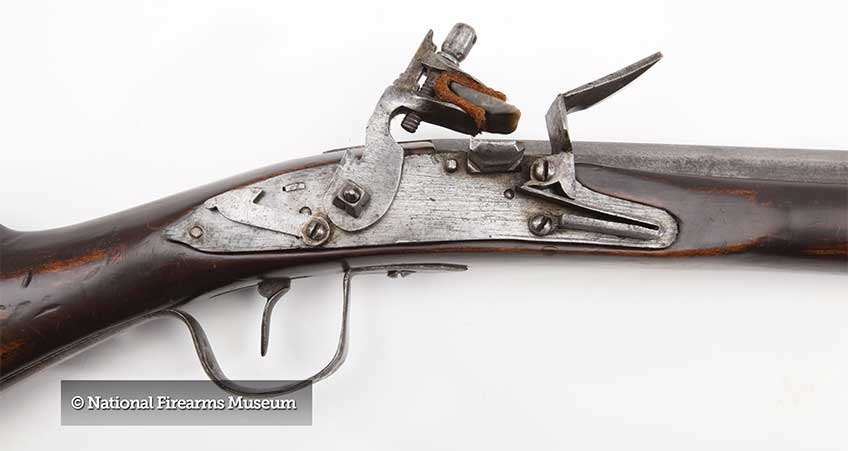
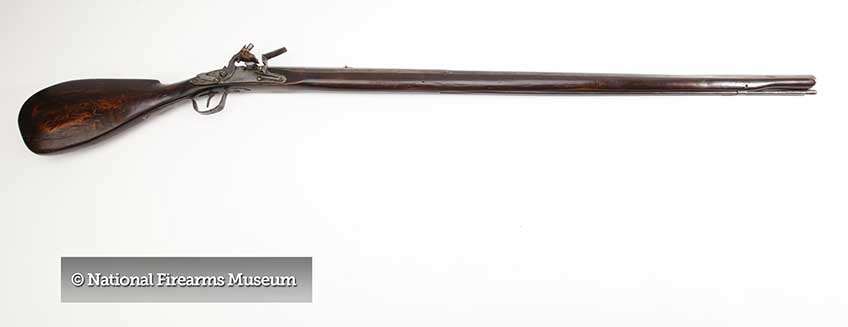
The diversity of their firearms collection would make any modern gun enthusiast jealous. They brought matchlocks, snaphaunces (early flintlocks), wheellocks, pistols, and yes, even some blunderbusses: though not nearly as many as pop culture would have you believe.
Want to know something incredible? We actually know about a specific gun that was definitely at the first Thanksgiving, and it still exists today. John Alden, yeah, the guy from all those Pilgrim stories: owned an Italian-made wheellock carbine that he brought to the New World.
This wasn’t just any old musket. Alden’s wheellock was cutting-edge technology for 1621. While most firearms of the era were lucky to hit anything beyond 40-50 yards, this beauty featured a rifled .66-caliber steel barrel that could reach out and touch targets with serious precision. The wheellock mechanism was also way more reliable in wet weather compared to the temperamental matchlocks most colonists were stuck with.
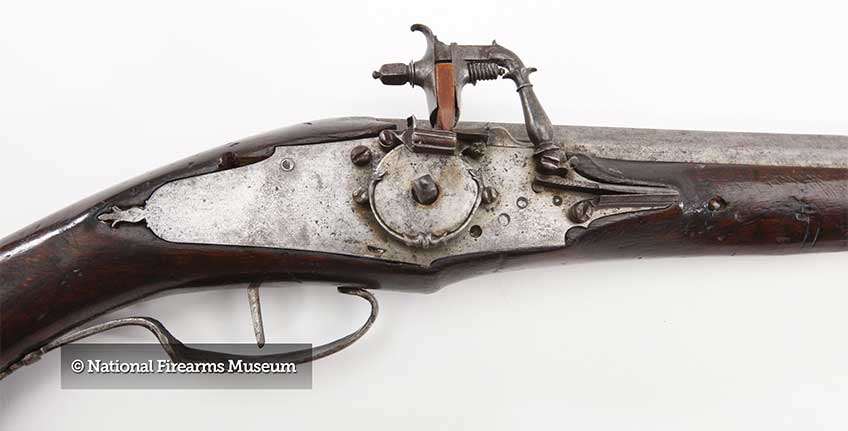
Here’s the wild part: this gun stayed hidden in the Alden family for centuries. It was tucked away in a secret compartment next to the front door of John Alden’s house in Duxbury, Massachusetts, built around 1654. Nobody knew it was there until 1924, when someone finally discovered it during a home renovation. Talk about a time capsule!
You might be wondering why a group of religious folks heading to the New World needed enough firepower to outfit a small army. The answer is pretty straightforward: survival wasn’t a game back then.
These colonists were heading into completely unknown territory. They had no idea what kind of wildlife, weather, or human threats they’d face. Firearms weren’t just weapons: they were essential tools for hunting, defense, and establishing any kind of security in the wilderness.
The numbers tell the story. By 1620, inventory records show the colonists had stockpiled almost 1,000 snaphaunce muskets compared to only 47 matchlocks. They were rapidly upgrading to more reliable firing mechanisms because when your life depends on your gun going bang, you want the best technology available.
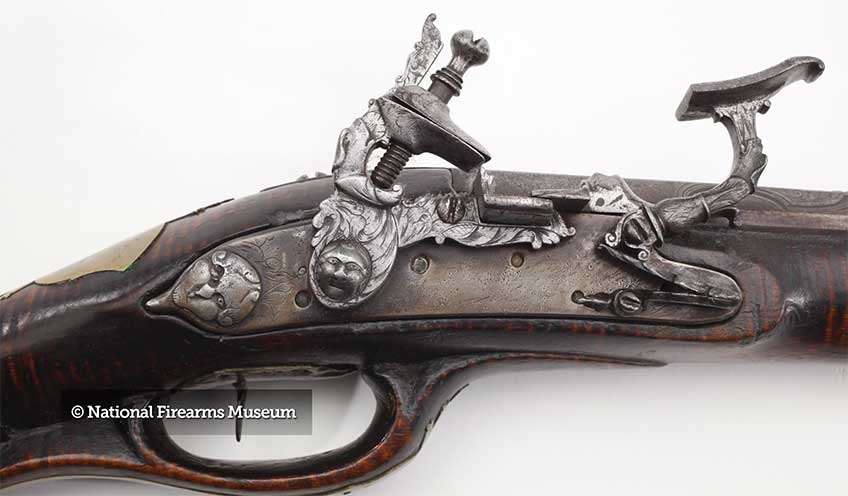
Let’s geek out for a minute about the actual firearms these folks were using, because the technology is fascinating.
Matchlocks were the old-school option: think of them as the musket equivalent of trying to start a fire with flint and steel every time you want to shoot. You’d light a slow-burning cord (the “match”) and when you pulled the trigger, it would drop into the pan and hopefully ignite your gunpowder. Great in theory, terrible in rain, and absolutely useless if your match went out.
Wheellocks were the high-tech solution of their day. Instead of an open flame, they used a spinning steel wheel striking against iron pyrite to create sparks. More reliable, weatherproof, and faster to deploy. John Alden’s wheellock was basically the Ferrari of colonial firearms.
Snaphaunces were the early ancestors of flintlocks, using a spring-loaded mechanism to strike flint against steel. They bridged the gap between wheellocks and the flintlock systems that would dominate for the next 200 years.
Here’s where the story gets really interesting. The Pilgrims didn’t just quietly enjoy their harvest feast: they celebrated by firing their guns into the air. This wasn’t some quaint tradition; it was a serious display of military capability.
The problem? The Wampanoag tribe heard all that gunfire and thought the colonists were either under attack or calling for help. The sound of dozens of firearms going off simultaneously wasn’t exactly the peaceful dinner vibe we imagine today.
This kind of celebratory gunfire was actually pretty common in early America. Colonists would mark important occasions, holidays, and victories with coordinated volleys. It served multiple purposes: celebration, demonstration of strength, and practice for when they really needed to use those firearms.
Fast-forward 400 years, and we’re still innovating in the firearms world. At Arrowhead Survival, we carry on that tradition of embracing the best technology available. Just like those Pilgrims upgraded from matchlocks to snaphaunces, today’s firearms enthusiasts deserve the latest and greatest in modern weaponry.
The core needs haven’t changed much, honestly. Whether you’re a colonial settler or a modern American, you want reliable firearms for hunting, sport, and personal protection. The technology has come a long way: no more worrying about your match going out in the rain: but the fundamental purpose remains the same.
Imagine showing John Alden a modern AR-15 with all the bells and whistles. The poor guy would probably faint from excitement. His prized wheellock took forever to reload and required serious maintenance. Today’s firearms offer capabilities he couldn’t have dreamed of: rapid fire, precision optics, weather-resistant coatings, and reliability that puts his Italian carbine to shame.
The craftsmanship would blow his mind too. Those early firearms were hand-forged works of art, but they were also temperamental and required constant care. Modern manufacturing gives us incredible consistency and reliability that colonial gunsmiths could never achieve.
The real story of the first Thanksgiving teaches us something important: being prepared isn’t paranoia, it’s common sense. Those Pilgrims didn’t pack 22+ firearms because they were looking for trouble: they brought them because they understood that in an uncertain world, your ability to protect yourself, hunt for food, and maintain security determines whether you survive or become a footnote in history.
That mindset lives on today. Whether you’re interested in hunting, competitive shooting, personal protection, or just collecting fine firearms, the principles remain the same. Quality equipment, proper training, and respectful responsibility are just as important now as they were in 1621.
At Arrowhead Survival, we honor that tradition by offering everything from basic firearms to custom builds that would make John Alden weep with envy. Our Cerakote services can protect your investment better than anything those colonial gunsmiths ever dreamed of, and our expertise helps you choose the right tools for whatever challenges you’re facing.
So this Thanksgiving, when you’re gathered around the table with family and friends, remember the real story. The Pilgrims weren’t naive pilgrims stumbling through the wilderness: they were well-armed, technologically savvy survivors who understood that freedom and security go hand in hand.
They brought enough firepower to start a small war because they knew that in the New World, being unprepared wasn’t an option. Their commitment to staying armed and ready helped create the foundation for everything we celebrate today.
That’s a tradition worth honoring, and it’s one we’re proud to continue. Whether you’re looking to add to your collection, upgrade your hunting rifle, or just learn more about America’s rich firearms heritage, we’ve got you covered.
After all, if it was good enough for the Pilgrims, it’s probably good enough for us.
Arrowhead Survival is not a law firm or acting as legal counsel. Readers should always consult current laws, verify all information with the references listed, and seek proper legal advice. Arrowhead Survival is not liable for any mistakes, misleading information, or outdated content in this post; readers assume responsibility for legal compliance.